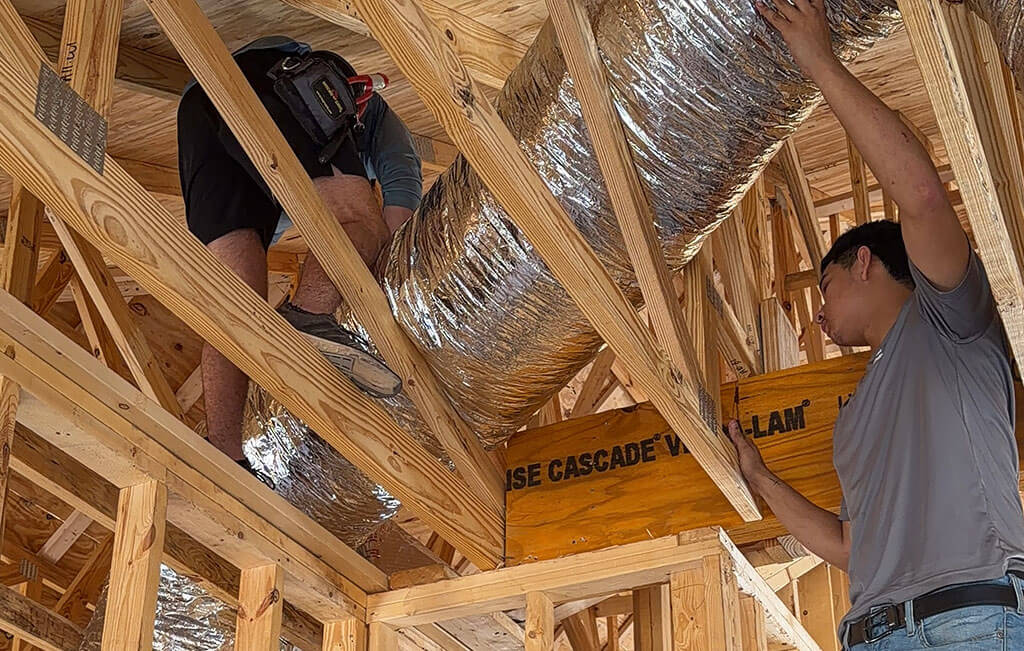
Expert duct design and installation for new builds, remodels, and replacements.
The performance of any HVAC system starts with the ductwork. Well-planned ducts help determine how a home will feel for years to come, and getting the layout right during a new build or major remodel is one of the smartest investments you can make.
Gulf Coast Air Conditioning provides HVAC duct installation throughout Bay, Walton, Washington, and Gulf Counties. We focus on craftsmanship, clear communication, and duct systems that are designed to match the layout of the space. Whether you are a homeowner, a builder, or a business owner preparing a new or updated property, our team is ready to coordinate with your project and install ductwork built for long-term performance.
Why Proper Duct Installation Matters
Ductwork is the part of your HVAC system you never see, but you feel it every day. When the ducts are designed and installed correctly, air moves easily, rooms stay comfortable, and the whole system can run the way it was meant to. When they are not, you often end up with hot rooms, noisy vents, or a system that seems to struggle for no clear reason.
Florida homes put extra demand on duct systems because of the long cooling season and high humidity. Even small mistakes in sizing or sealing can lead to uneven airflow or moisture issues that only get worse over time.
This is why choosing the right installer matters. Good ductwork supports:
- Consistent temperatures throughout the home
- Lower energy use over time
- Less moisture collecting inside the system
- Quieter airflow
- A longer-lasting HVAC system
When the ducts are built with care, everything else in the HVAC system has an easier job, and the home feels more comfortable because of it.
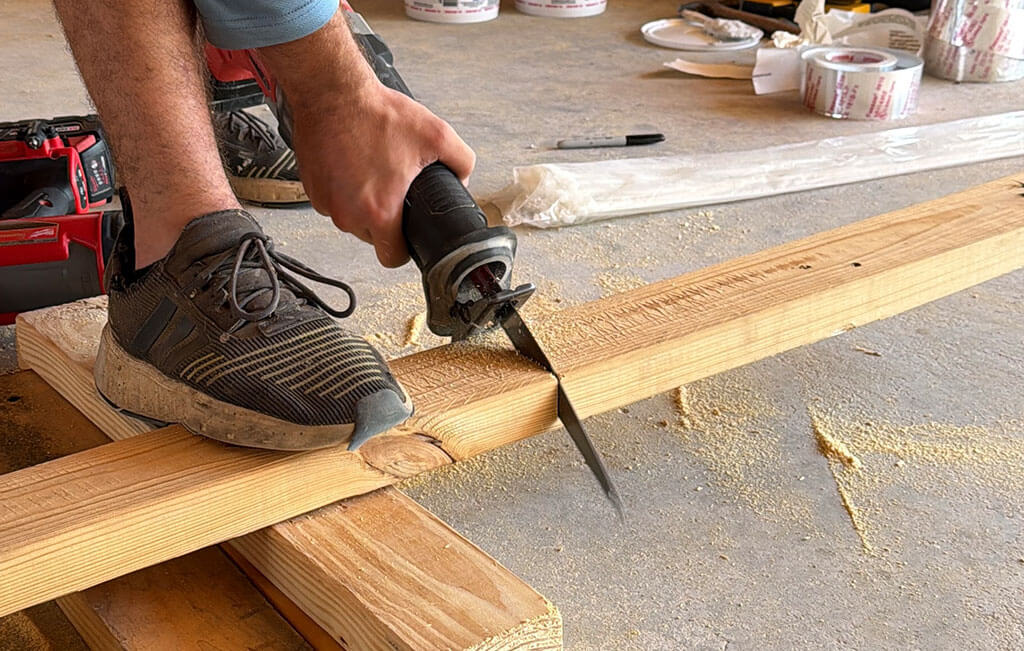
New Construction Duct Installation
New construction offers the best opportunity to install ductwork the right way. With full access to the framing and mechanical layout, we can design a system that supports strong airflow and long-term performance from the very beginning.
Designed for Your Home’s Layout
We design the duct system around the structure and floor plan so air can move freely and consistently. This approach helps prevent hot spots, weak airflow, and unnecessary noise.
Installed for Florida’s Climate
Our installations are built for heat, humidity, and salt air using materials that resist moisture and corrosion. Proper sealing and insulation help protect your system and support reliable airflow year-round.
Project-Friendly Scheduling
We coordinate installation with the overall build schedule to keep the project moving smoothly. Our team adapts as the build progresses and communicates clearly with whoever is overseeing the site.
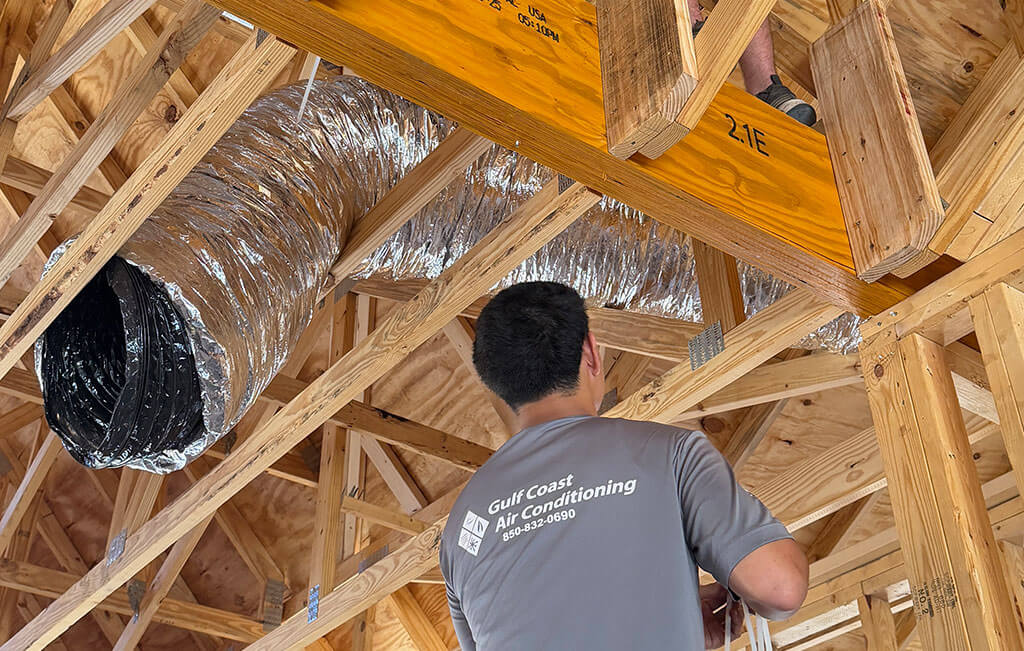
Duct Replacement and Upgrades
Ductwork, unfortunately, doesn’t last forever. Age, humidity, and years of constant use can cause sections to wear out or lose efficiency. When repairs are no longer enough to fix airflow problems or the system is struggling to keep up, replacing the ductwork can make a noticeable difference in comfort and performance.
Replacement is often the better choice when you are dealing with issues such as:
- Old metal ducts that are rusting
- Collapsed or sagging flex duct
- Airflow problems that never seem to improve
- Rising energy bills without a clear cause
- Home additions or remodeling that change the layout
- Poor duct design from the original build
If any of these sound familiar, a professional evaluation can help determine if replacement or an upgrade is the right move for your home or project.
Our HVAC Duct Installation Process
Here is what you can expect during a duct installation with our team. Every step is focused on strong airflow, durable construction, and long-term performance you can rely on.
- System and layout assessment
We start by reviewing the structure, equipment, and layout. This helps us understand how air needs to move through the space and what the system requires to work efficiently. - Custom duct design
Our team designs the duct system to match the home’s layout and airflow needs. We size the runs carefully, place returns where they are most effective, and plan for balanced distribution throughout the space. - Professional installation
We install each section with solid sealing, proper insulation, and routing that meets building codes. The goal is a clean, dependable system that supports steady airflow for years to come. - Testing and airflow balancing
Once the installation is complete, we test airflow room by room. This confirms that the system is delivering consistent cooling and that the ducts are performing as intended. - Final walkthrough
We review the completed ductwork, explain the layout, and answer any questions. You get a clear understanding of how the system works and what to expect moving forward.
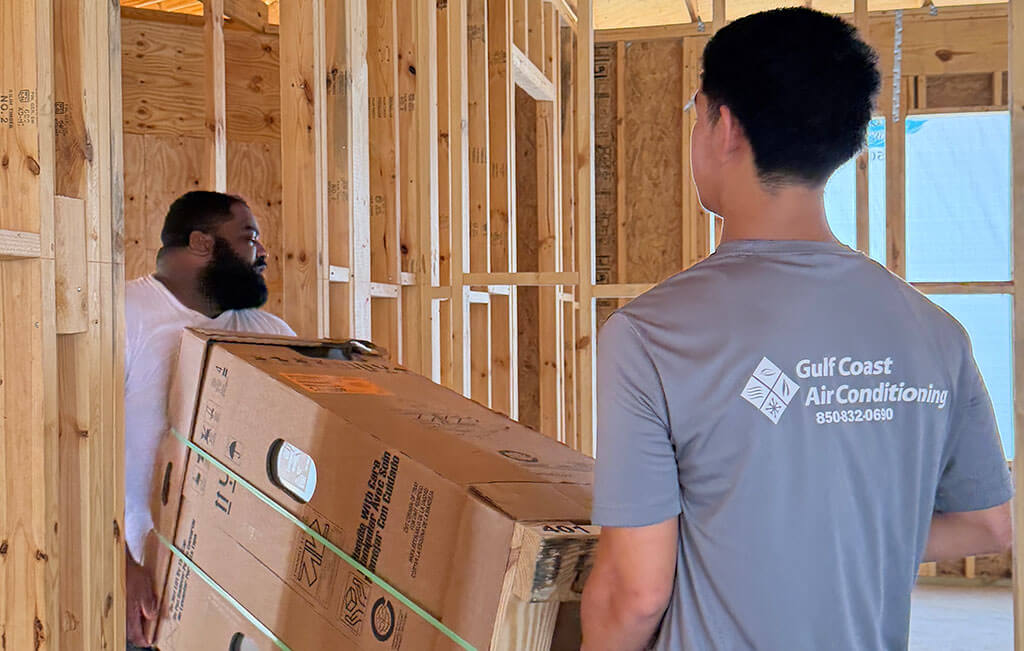
HVAC Duct Installation for Commercial Spaces
We do more than residential ductwork. Our team also installs duct systems for a wide range of commercial spaces throughout the Florida Panhandle. From small offices to full tenant build-outs, we handle projects that need reliable cooling and proper ventilation day after day.
We provide commercial HVAC duct installation for:
- Offices
- Retail stores
- Restaurants
- Light commercial buildings
- Tenant build-outs and renovations
Commercial spaces must meet specific code requirements, so we design and install each system with those standards in mind. Our team coordinates with the project schedule, works cleanly on active job sites, and delivers ductwork that is ready for inspection and long-term use.
Serving the Florida Panhandle
The Florida Panhandle is home for our team, and we take pride in helping local families and businesses build HVAC systems that last. Our commitment to quality and service guides every project we take on, whether it is a new build, a renovation, or a commercial installation. You can count on us for dependable work and a team that genuinely cares about doing things right.
Call on us to provide HVAC duct installation in the following areas:
Bay County
Panama City, Panama City Beach, Lynn Haven, Callaway, Southport, Mexico Beach
Walton County
Santa Rosa Beach, Rosemary Beach, Inlet Beach, Freeport
Gulf County
Port St. Joe, Wewahitchka
Washington & Holmes Counties
Chipley, Vernon, Bonifay, Cottondale, surrounding areas
Looking for a Duct Installation Quote?
Share a few details about your project, and we’ll take it from there.
Frequently Asked Questions
How much does it cost to install HVAC ducts?
The cost can vary quite a bit because every home or building is different. Things like the size of the space, the number of vents, the materials you choose, and how easy it is to reach the areas where ducts need to run all play a role. New construction is usually simpler, while replacing ductwork in an existing home can take more time because we’re working around finished walls and tight spaces.
Many people are surprised by the price at first, but duct installation is a big part of how your HVAC system performs. It takes time, planning, and careful installation to make sure the system runs safely and efficiently. Cutting corners here often leads to airflow problems or extra energy use down the road, which ends up costing more. A quick walkthrough or project review is usually the easiest way to understand what your project will require.
What is the lifespan of HVAC ducts?
Most duct systems last around 15 to 25 years, but there’s definitely some wiggle room. Some ducts hold up well for longer if they were installed correctly and kept dry. Others can wear out sooner if they’re exposed to moisture, corrosion, or heavy use.
Florida’s humidity and salt air can take a real toll on metal ducts, so age isn’t the only thing to consider. Sometimes the ducts themselves are fine, but the layout or sizing needs updating as the home changes or grows. So lifespan is a good guideline, but the real answer depends on the material, the climate, and how well everything was installed in the first place.
Can I install ductwork myself?
Some handy homeowners or contractors might be able to install parts of a duct system, but getting the whole thing right takes training and experience. The sizing, sealing, routing, and code requirements all work together to keep airflow balanced and the system running safely. Even small mistakes can lead to uneven cooling, noisy vents, or moisture issues inside the ducts.
If you’re not designing and installing ductwork regularly, it’s very easy to end up with something that “works” but doesn’t perform well. A professional installer makes sure everything is sized correctly, sealed properly, and up to code so the system runs the way it should.
What is a common mistake in ductwork installation?
One of the biggest issues we see is incorrect sizing. When ducts are too small, the system struggles to push air through the home. When they’re too large, the air slows down and rooms don’t cool evenly. Both problems put unnecessary strain on the HVAC equipment.
Another thing we see a lot is poor sealing. Even small gaps or loose connections can leak a surprising amount of air, which raises energy bills and makes the system work harder than it needs to. Sharp turns, too many bends, or long unsupported runs of flex duct are also common mistakes that hurt airflow more than people expect.
These issues usually aren’t obvious until you start living with the system, which is why careful planning and proper installation make such a big difference.
Is replacing ductwork worth it?
It can be, especially if your current ducts are worn out, damaged, or simply not designed well. If you’re constantly dealing with uneven temperatures, high energy bills, or airflow that never seems quite right, new ductwork can make a noticeable difference. A well-installed system helps your HVAC equipment run more efficiently and can reduce the strain on the unit over time.
In plenty of homes, the ducts are the hidden reason the AC seems to struggle. Replacing them isn’t always the cheapest project, but when the existing system is holding everything back, it’s often one of the most effective upgrades you can make.
Is it better to undersize or oversize ductwork?
Neither option works well. Undersized ducts restrict airflow and make the HVAC system work too hard. Oversized ducts slow the air down and leave rooms feeling uneven or stuffy. The goal is always the right size for the home, the layout, and the equipment.
Proper sizing is a balancing act, and it’s something we calculate carefully. When the ducts are sized correctly, the system can move air smoothly and maintain comfortable temperatures without wasting energy.
Is duct work covered by home insurance?
Sometimes, but only in specific situations. Home insurance usually covers ductwork if the damage comes from a sudden, unexpected event like a fire, a storm-related issue, or certain types of water damage. If the ducts are failing because of age, moisture, rust, or normal wear and tear, that typically isn’t covered.
If you’re unsure, it’s always worth checking your policy or calling your insurance provider. They can tell you what qualifies and what doesn’t.
Can I replace only part of my duct system?
Yes, in many cases you can. If only one section is damaged or poorly installed, replacing just that portion may be enough to restore good airflow. The key is making sure the new section matches the sizing, materials, and layout of the existing system so everything works together smoothly. During an evaluation, we look at how the entire system is performing to help you decide whether a partial or full replacement makes the most sense.
How do you size ductwork correctly?
Duct sizing is based on a combination of the home’s layout, the HVAC system’s capacity, and how much air each room needs to stay comfortable. We use industry-standard calculations to determine the right duct diameters, the number of supply and return vents, and the best routing to keep airflow balanced. Proper sizing is one of the most important steps because it affects noise levels, temperature consistency, and system efficiency.
What type of duct material is best for Florida homes?
Materials that resist moisture and hold up well in humidity tend to perform best. Metal ducts are durable and mold-resistant, while insulated flex duct works well in tight spaces and helps reduce heat gain. Duct board is another option that provides built-in insulation and quieter operation. The best choice depends on the home’s layout and budget, but moisture resistance is usually a top priority in our climate.