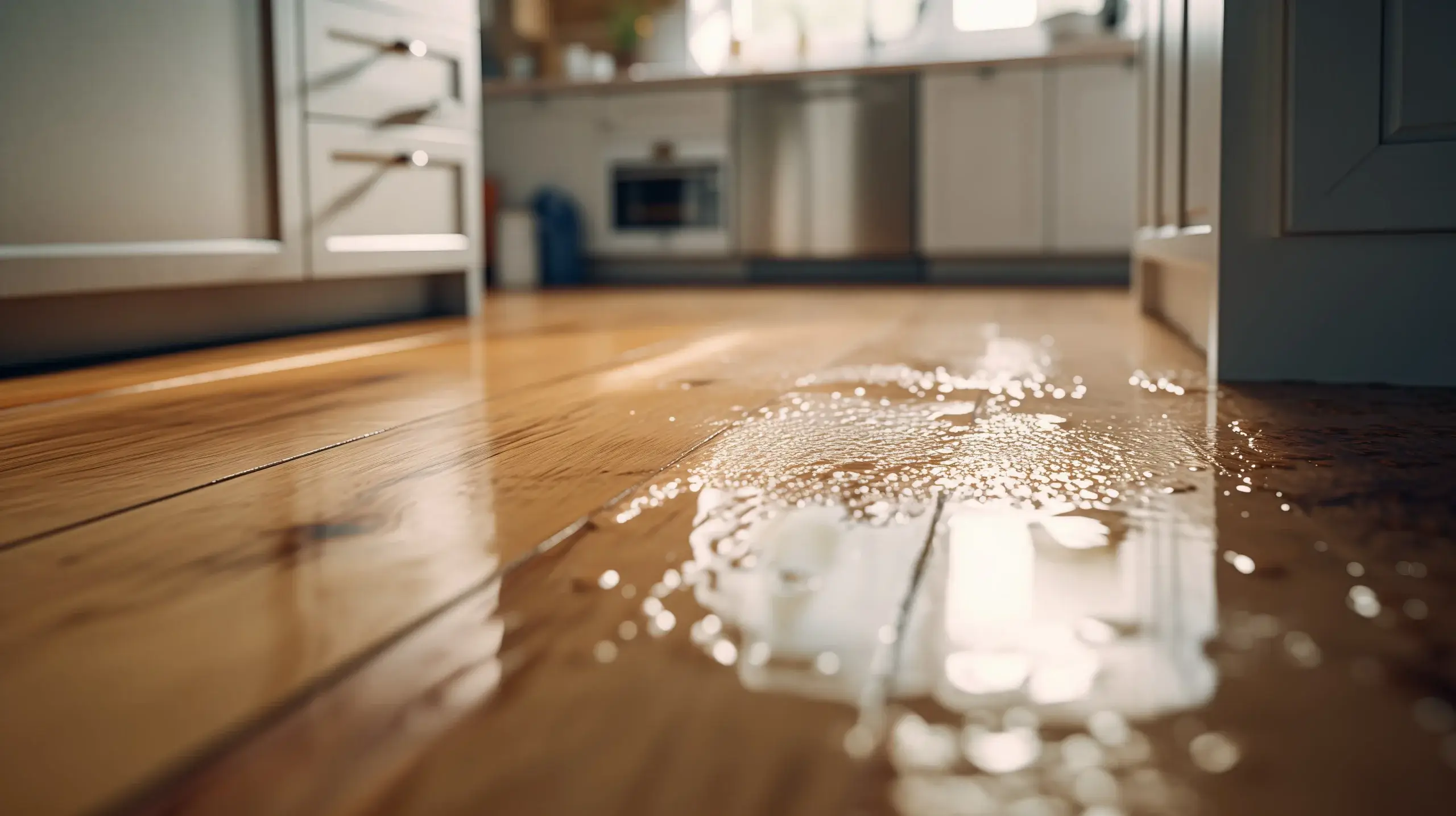
If your AC is leaking water, the cause is usually tied to drainage, airflow, or excess moisture inside the system. A clogged condensate drain line, dirty air filter, frozen evaporator coil, or damaged drain pan are some of the most common reasons water begins collecting around the indoor unit. In Florida, long cooling seasons and high humidity can make these problems appear faster because your system is constantly pulling moisture from the air.
Before assuming the worst, it helps to know whether the leak is minor or a sign that something needs attention sooner rather than later.
First, Is AC Leaking Water an Emergency?
Not every AC leak requires immediate repair, but it is worth paying attention to. Water around an HVAC system can sometimes be a simple maintenance issue, while other situations point to a problem that should be addressed quickly.
Usually Not an Emergency
These situations are often manageable if caught early:
- A small puddle near the indoor unit
- The AC is still cooling normally
- No water is reaching electrical components
- The leak appears during especially humid weather
- You notice occasional dripping but no ongoing overflow
A minor leak can still lead to water damage if ignored, so it is a good idea to investigate it early.
Call for Service Soon
These signs suggest the issue may be more serious:
- Water leaking from the ceiling near an attic air handler
- Repeated overflow or standing water around the unit
- Ice forming on refrigerant lines or indoor coils
- Water close to wiring, outlets, or electrical panels
- Weak airflow or rooms not cooling properly
- The AC stops cooling while leaking continues
When water and HVAC equipment mix, small issues can escalate quickly. If the leak keeps returning or the system no longer seems to be cooling properly, it is usually best to have it checked before it leads to water damage, mold growth, or a larger repair.
7 Common Reasons Your AC Is Leaking Water
When an air conditioner leaks water, the issue usually comes down to how moisture moves through the system. Your AC naturally removes humidity from the air as it cools your home. That moisture should drain away safely. When something interrupts that process, water can begin collecting where it shouldn’t.
1. Clogged Condensate Drain Line
This is one of the most common causes of an AC leak. As your system removes humidity from the air, condensation travels through a small drain line and exits outside. Over time, algae, dirt, and debris can build up inside that line and slow the drainage.
When the line becomes blocked, water backs up into the drain pan and eventually spills over. In Florida, this tends to happen more often because AC systems run longer and produce more condensation throughout the year.
2. Dirty Air Filter
A clogged air filter can do more than reduce airflow. When air cannot move properly across the evaporator coil, the coil may become too cold and begin to freeze.
Once the ice melts, the extra water can overwhelm the drain system and leak around the indoor unit. This is one of the simpler issues to prevent, which is why regular filter changes matter more than many homeowners realize.
3. Frozen Evaporator Coil
If you notice water and ice at the same time, a frozen evaporator coil may be the cause. This coil absorbs heat from the air inside your home, but restricted airflow or refrigerant issues can cause it to freeze over.
The leak often appears after the system shuts off or begins thawing. Ice melts faster than the drainage system is designed to handle, leading to dripping or pooling water near the unit.
4. Cracked or Rusted Drain Pan
The drain pan sits beneath the indoor coil and catches condensation before it moves into the drain line. Over time, older drain pans can rust, crack, or shift out of place.
When that happens, water bypasses the drainage system entirely and leaks directly around the air handler. This issue is more common in older systems that have seen years of heavy use.
5. Condensate Pump Failure
Some HVAC systems rely on a condensate pump to move water away from the unit, especially when gravity drainage is not possible. If that pump stops working or loses power, water has nowhere to go.
The result is often standing water near the air handler or a leak that appears suddenly after the pump fails.
6. Improper Installation or an Unlevel Unit
Air conditioners are designed to drain water in a specific direction. If the unit is not level or was installed incorrectly, condensation may collect unevenly instead of flowing toward the drain line.
This is not always obvious right away. Sometimes a system leaks for months before the pattern becomes noticeable, especially during periods of heavy use.
7. Florida Humidity Putting Extra Demand on the System
Florida homes ask a lot from an AC system. Long cooling seasons and high humidity mean your equipment is constantly removing moisture from the air. During especially humid stretches, the system can produce more condensation than usual.
If the drain line is already partially clogged or airflow is reduced, extra moisture can push the system past its limit. That is why leaks often become noticeable during the hottest, stickiest parts of the year.
Can I Fix an AC Water Leak Myself?
Sometimes, yes. A small leak does not always mean something major is wrong, and there are a few safe things you can check before calling for service. The key is knowing where to stop. HVAC systems involve electrical components, refrigerant, and sealed parts that can create bigger problems if handled incorrectly.
Safe Things to Check Yourself
These troubleshooting steps may help you narrow down the cause:
- Replace a dirty air filter: Restricted airflow is a common reason coils freeze and leak water once they thaw.
- Check the drain line exit outside: If you can safely locate where the condensate line drains, look for visible clogs or standing water.
- Clear a minor drain clog with a wet/dry vacuum: Some homeowners can remove a light blockage by vacuuming the outdoor drain line opening.
- Turn the system off and let ice melt: If you see frost or ice near the indoor unit, shutting the AC off gives the coil time to thaw before restarting.
When It’s Better to Call a Professional
Some problems go beyond basic troubleshooting and should be inspected by a trained technician.
- Repeated leaks that keep coming back: A recurring leak usually points to an underlying issue that needs a closer look.
- Ice forming on coils or refrigerant lines: This may signal airflow restrictions or refrigerant problems.
- Water near wiring or electrical components: Moisture around electrical parts should always be handled carefully.
- Opening sealed HVAC panels: Many internal components are not designed for homeowner access and can be damaged accidentally.
- Replacing pumps, pans, or internal parts: These repairs often require testing, calibration, or system adjustments after installation.
A quick inspection can often identify the cause before a small leak turns into a larger repair.
When Water From Your AC Means a Bigger Problem
A small leak does not always mean something serious is wrong. But when water continues collecting around the system, it may point to a larger issue beyond a simple clog or dirty filter.
Here are a few situations where an AC leak may be connected to a deeper problem:
- Recurring Drain Line Clogs: If the drain line backs up more than once, there may be buildup deeper in the system or a drainage design issue that keeps moisture from flowing properly.
- Poor Airflow From Duct or Vent Problems: Restricted airflow can make evaporator coils run colder than intended, increasing the chance of freezing and excess condensation. Leaky or poorly designed ductwork may also force the system to work harder than it should.
- Skipped Maintenance Over Time: Small maintenance items often stack up. A neglected system may have dirty coils, blocked drains, or airflow restrictions that slowly create moisture problems.
- Older Air Handlers and Drain Components: As systems age, drain pans can rust, insulation can deteriorate, and internal parts may not move condensation as efficiently as they once did.
- Moisture Creating Conditions for Mold: Repeated leaks can introduce moisture into insulation, drywall, or ductwork. Even a slow drip can create conditions where mold begins to develop over time.
How to Prevent Your AC From Leaking Water Again
Most AC leaks begin with small issues that build gradually. A little maintenance can help prevent repeat problems, especially in Florida, where systems run for long stretches and remove large amounts of moisture from the air.
A few simple habits can help:
- Replace air filters regularly so airflow stays steady and coils are less likely to freeze
- Schedule seasonal maintenance to clean coils, inspect drainage, and catch wear before it causes leaks
- Keep the condensate drain line clear by having it flushed during maintenance visits or using approved drain tablets to reduce algae buildup
- Pay attention to weaker airflow from vents, such as rooms cooling more slowly or uneven temperatures between spaces
- Watch for signs of excess humidity indoors, including damp air, condensation on windows, or lingering musty odors
When to Call Gulf Coast Air Conditioning
Sometimes the cause is simple. Other times, the leak is a symptom of a larger issue inside the system. If you’ve already checked the filter, looked for visible drainage issues, or let a frozen coil thaw, and the problem keeps coming back, it may be time to stop troubleshooting and get a clear answer.
A professional inspection is not just about fixing the leak itself. It helps identify what caused it in the first place, so you are not dealing with the same issue again a few weeks later. Drainage problems, airflow restrictions, and worn components can create similar symptoms, but the right AC repair depends on finding the root cause.
If your AC is leaking water and you are not sure what comes next, Gulf Coast Air Conditioning can help you pinpoint the issue and get your system back to running the way it should.